
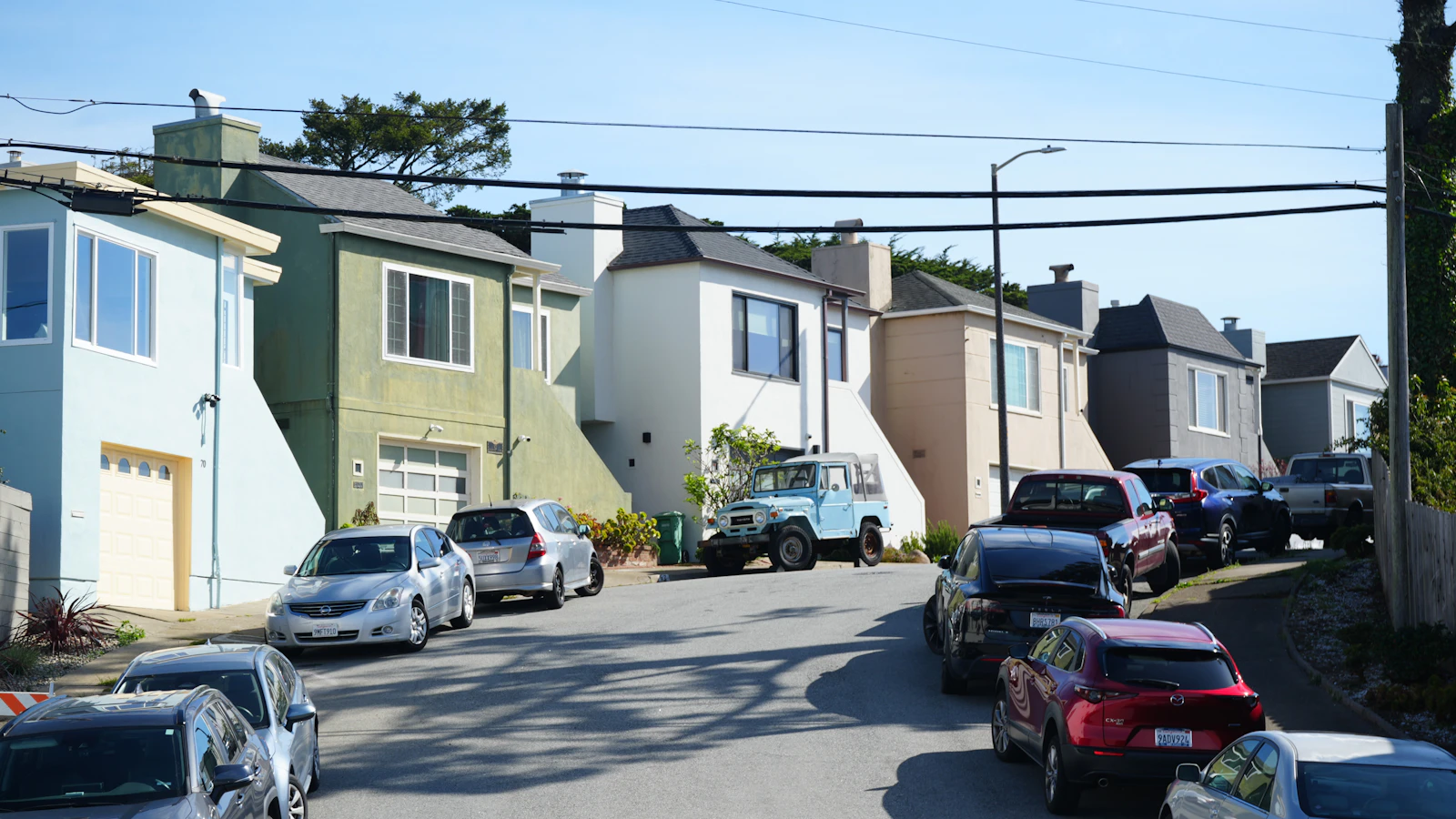
If you're planning to sell a home in the East Bay or San Francisco, a handful of avoidable mistakes account for most of the lost time and lost money sellers experience. Here's what they are, and what to do instead.
This is educational planning guidance, not tax, legal, insurance or property-condition advice. Confirm property-specific questions with the responsible agency or qualified professional.
1. Pricing based on what you need, not what the market will pay
The market doesn't know — or care — what you paid, what you owe, or what you'd like to walk away with. It only responds to comparable sales and current buyer demand. Start with real comps and current market pace, not a target number worked backward from your plans.
2. Treating personalized finishes as universally valuable
Upgrades and personal touches are genuinely worth something to you. But highly personalized finishes — bold color choices, extensive custom work — can narrow the pool of buyers who can picture themselves living there without changes. A smaller buyer pool is what actually sets the price, not the quality of the work. This isn't a taste judgment; it's math.
3. Skipping a real pricing conversation before listing
A price that starts too high doesn't "test the market" — it costs the listing its best window of exposure, the first two to three weeks, when buyer and agent interest is highest. Homes that need a price correction after that window typically take longer to sell and net less than if they'd been priced accurately from day one.
4. No plan for the buy-sell sequencing problem
Selling and buying at the same time creates real timing pressure. Sell first, and you may feel rushed into your next purchase. Buy first, and you're carrying two properties. Neither is wrong — but deciding in advance, with contingencies in place, beats discovering the problem mid-transaction.
5. Signing a listing agreement with no way out
A listing agreement is a real commitment — make sure it isn't a one-way one. Ask directly whether you can cancel if you're not getting the service or results you were promised. (This is one of the reasons I offer an Easy Exit clause on every listing: you shouldn't have to stay in an agreement that isn't working for you.)
6. Underestimating what buyers actually notice in listing photos and descriptions
Buyers decide whether to request a showing in seconds, based almost entirely on photos and the first line of the listing description. A listing description that's vague or generic — "charming home, must see!" — does less work than one that answers the specific questions a buyer is actually asking: how many bedrooms, what's the commute, is there a dedicated office, what school district. Specificity sells; vague enthusiasm doesn't.
7. Not accounting for county-specific mechanics
Prop 19 and Prop 13 property tax rules apply statewide, but the assessor's process differs by county — and San Francisco is its own consolidated city/county, distinct from Alameda or Contra Costa. If you're selling and buying within California, or considering San Francisco specifically, these differences affect your actual numbers. Get the county-specific answer, not a generic one.
8. Over- or under-preparing the home
Not every home needs a full renovation before listing — and not every home should necessarily be listed as-is. The right amount of prep should be built around your specific comps and buyer pool, not a generic checklist. A quick, honest walkthrough with your agent before listing photos are scheduled avoids both over-spending and under-preparing.
9. Assuming all showing feedback is just opinion
When multiple independent showings surface the same feedback — about price, about a specific room, about condition — that's not one person's taste. That's a pattern, and it's usually the most reliable signal available about how the broader market is actually responding.
10. Ignoring the real cost of waiting
Holding at a price that isn't attracting offers doesn't pause your costs — mortgage, property tax, and insurance keep accruing every month the home doesn't sell. That's not a reason to panic-price a home. It is a reason to know the actual number before deciding to wait it out.
11. Choosing an agent without asking what their actual marketing plan is
"I'll list it and see what happens" is not a marketing plan. Ask specifically: how will the listing be priced and why, what does the marketing timeline look like, and what happens if it doesn't sell in the first few weeks. A vague answer here usually predicts a vague result later.
12. Not knowing what a Realtor actually does for their fee
The value isn't the sign in the yard — it's pricing strategy, negotiation, transaction management, and knowing what can quietly go wrong in a deal before it does. If you're not clear on what you're paying for, ask directly. A good agent should be able to explain it plainly.
Have a specific situation you're weighing? I'm happy to talk through it — no pressure, no obligation. Reach out anytime.
Professional boundary
Property-specific requirements, market conditions and professional duties can change. Confirm legal, tax, permit, title, insurance, compensation and property-condition questions with the responsible agency or appropriately qualified professional.